The project, in partnership with the Primato agriculture cooperative, aims to produce clean energy from swine manure
By Redação AutoIndústria | 3/9/23 | Translated by Jorge Meditsch
Tupy, a Brazilian multinational metalwork company, and the engine manufacturer MWM, part of the same group, established a partnership with Primato agricultural cooperative to build a biogas plant in Ouro Verde do Oeste, PR.
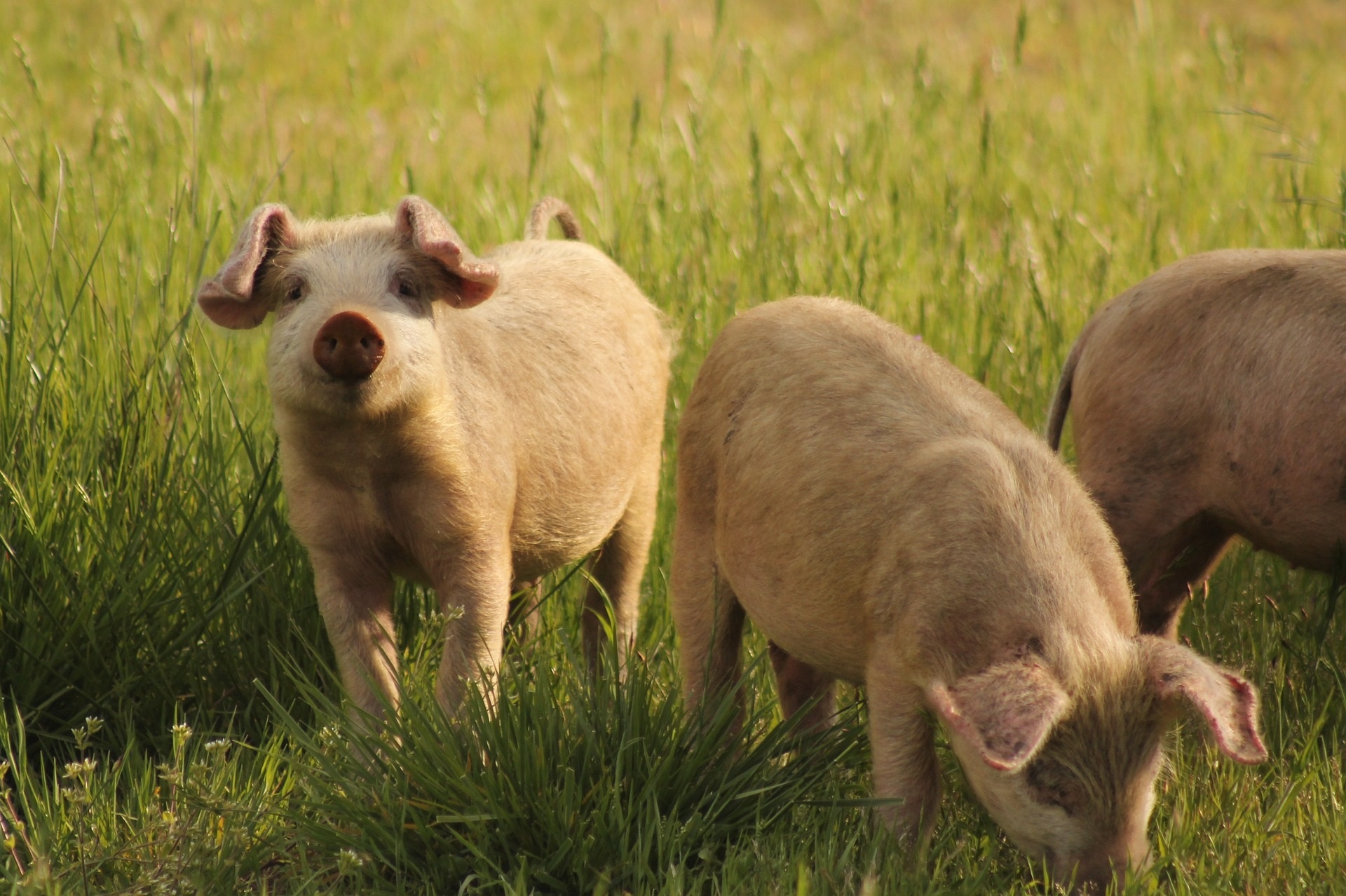
This is the first agreement after the association of the two companies concluded last November, which has among its main objectives the promotion of viable solutions for decarbonization. The project aims to produce clean energy from swine manure that will be transformed into renewable fuel for Primato’s trucks and subsidize its associates’ electricity consumption.
“With this partnership, we will be able to develop a complete solution for the use of residue from farm production, so both small and large rural producers can neutralize the greenhouse effect gases emission generated by their activities and achieve operational costs reduction and productivity increase”, said Fernando Cestari de Rizzo, Tupy’s CEO.
According to the note released this Thursday, 3/9, the agreement that marks the entry of the traditional foundry company from Joinville, SC, into the Energy & Decarbonization sector also includes the transformation of the cooperative fleet transformation. Initially reaching 13 associates, the project may expand to all cooperative members in the next months.
MWM’s CEO, José Eduardo Luzzi, explains that the biogas production chain will begin with collecting organic residue in the farms. “After hauled to the plant, they will be treated with digestors and filtering and monitoring systems and transformed in clean, high-quality energy to fuel MWM biomethane generators”.
The agreement also foresees the transformation of its diesel truck fleet to gas. “The same truck that carries animal feed will be fueled with biomethane produced in the plant. This innovation will provide the producers an extra revenue and contribute to the environment and circular economy, promoting a more sustainable food production”, explains Léo Sabadin, Primato’s president.
The project also involves the production of biofertilizers to replace mineral fertilizers. “To develop technologies like those, it is necessary to invest in knowledge generation. Besides partnerships with Brazilian universities, encouraging the national science, we have in our team researchers from biology, zootechnics and agronomics areas”, tells Cristian Prates Malevic, MWM’s director responsible for the project.
Photography: Pixabay
Número crescerá em 2026 para acompanhar a prevista ampliação da linha de veículos
Vendas de elétricos e híbridos alcançam participação perto de 70% no período
Aptiv foi a maior vencedora ao ser reconhecida em duas categorias e como Fornecedor do…
Projeção indica aportes de US$ 7,4 bilhões até 2030 para instalar capacidade de montar mais…
Objetivo da Stellantis é promover a globalização da marca também em design e engenharia
Enxurrada de lançamentos pulveriza vendas de SUVs médios