The main Brazilian partner bought US$ 1.6 billion until July, 35% of the total exported
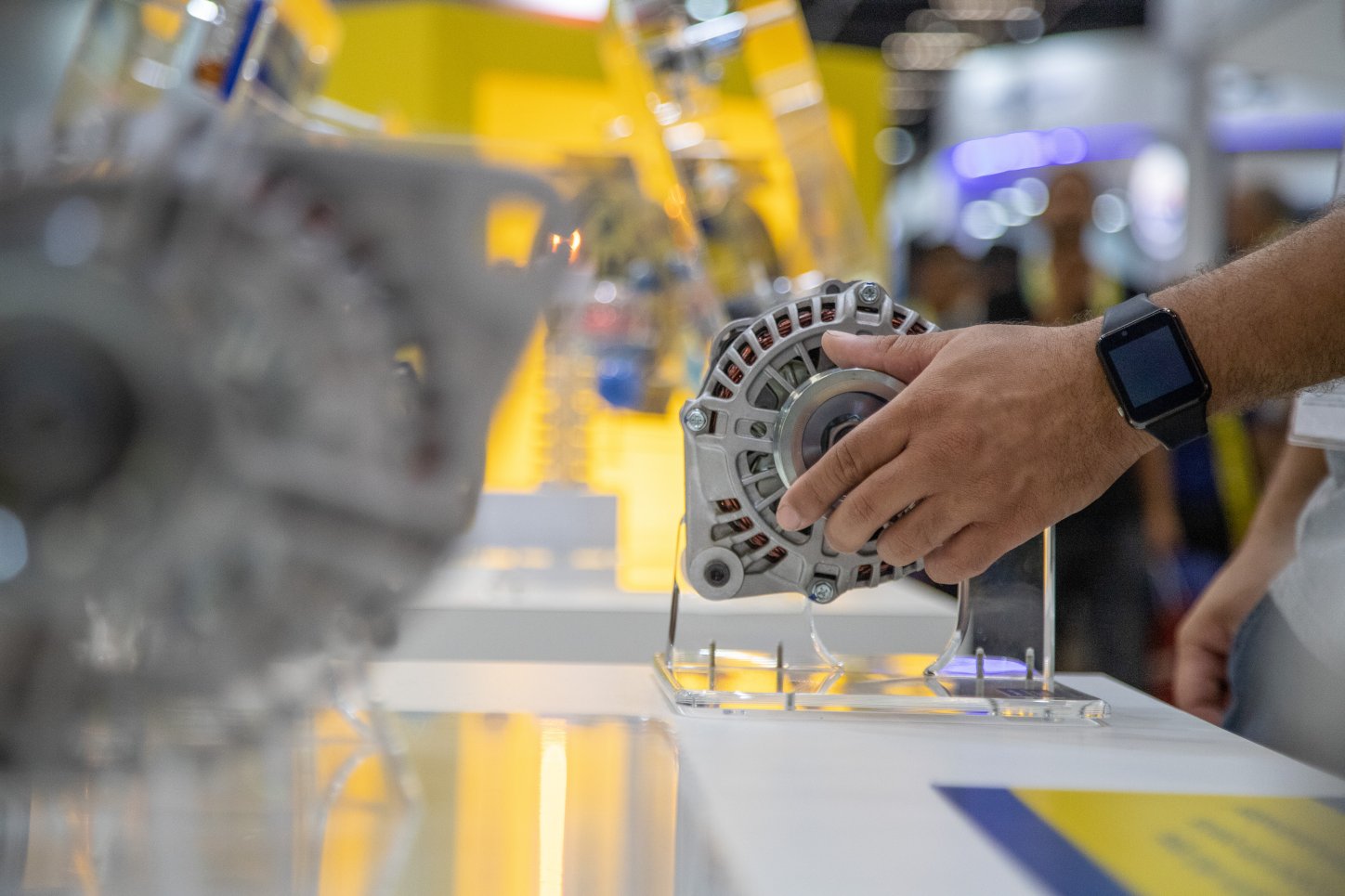
Despite the vehicle sales reduction in the Argentinian market, Brazilian auto parts exports to the neighboring country registered an expressive growth of 45% in the first seven months of the year, going over US$ 1.6 billion until July. In the same period in 2021, the sales reached US$ 1.1 billion.
With such performance, Argentina keeps leading the ranking among the main markets for auto parts manufactured in Brazil, with a 35.8% share of the total exported. Two other South American countries – Colombia and Chile – also registered expressive growth in their purchases from Brazil, 61.3% and 34% respectively, with US$ 163 million and US$ 155 million.
These two markets occupy the fifth and sixth position in the ranking of Brazilian parts buyers. The United States is the second, with US$ 724 million and a 5.7% growth. The third position belongs to Mexico (US$ 409.3 million, +1.25%) and the fourth to Germany (US$ 331 million, +26.6%).
Opposed to what happened last year and at the beginning of 2022, when imports grew more than exports, the inverse is happening now. The external sales in the first seven months expanded by 19.7%, while importation, in the same comparison, grew by 17.4%.
Until July, US$ 4.5 billion were exported, in front of US$ 3.77 billion in the same period in 2021. The imports totaled, respectively, US$ 11.4 billion and US$ 9.7 billion. Therefore, the commercial deficit in the year reached US$ 6.9 billion, with a positive difference of 15.7% regarding the first seven months of 2021. This index went over 50% in the first semester and has been falling each month.
According to data released by Sindipeças (the auto parts manufacturers association), July exports, about US$ 705 million, had a 28.7 growth over the same month last year. With US$ 1.7 billion in July, the imports growth was just 8.5%.
China leads the ranking of countries that send parts to Brazil, with US$ 1.8 billion year-to-date, 16.8% more than in the first seven months of 2021 (US$ 1.54 billion). It is followed by the United States (US$ 1.36 billion, +29%) and Germany (US$ 1,39 billion, + 9.7%).
According to Sindipeças’ July projections, 2022 shall end with a commercial deficit in the segment of around US$ 11.2 billion, 6.8% more than in 2021. For next year, the expectation is that exportation may still grow more than importation. If the Sindipeças previsions are confirmed, the commercial deficit shall fall 22.1% in 2023 compared to 2022, staying at about US$ 8.73 billion.
Photograph: Automec
Picape híbrida teve somente 1,8 mil unidades licenciadas em quase dois anos
O presidente da entidade prevề cerca de 10 mil visitantes entre os dias 17 e…
Primeiro SUV da plataforma Neue Klasse chega por aqui com autonomia de 570 km ao…
Algumas empresas conseguirão ampliar seus volumes, enquanto outras perderão espaço mesmo em um mercado maior…
Foram financiadas 3,78 milhões de unidades novas e usadas no primeiro semestre, 10,9% a mais…
Executivo responderá mundialmente pelo cumprimento de metas do grupo