The new FH and FM offer adds a 500 cv engine and is a reflex of a plan to increase biogas production in the region
By Redação AutoIndústria | Translated by Jorge Meditsch
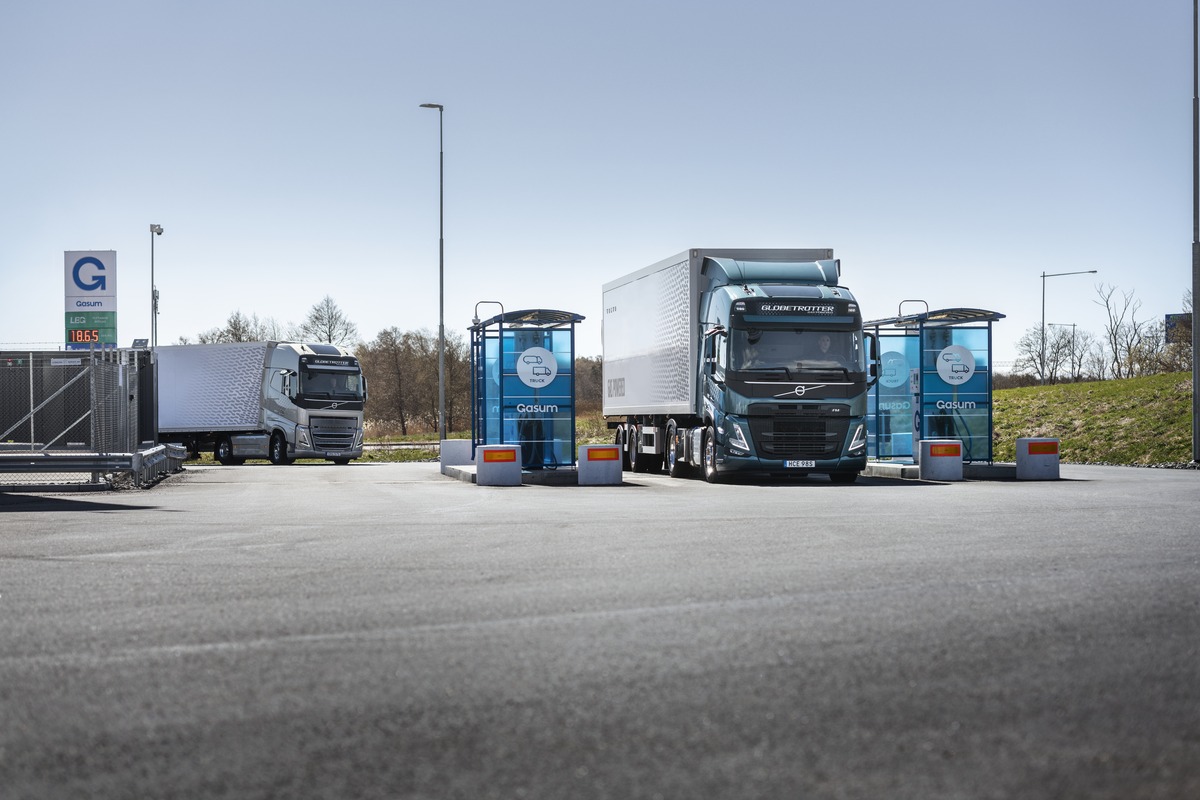
Volvo’s gas-powered FH and FM truck lineups were strengthened by a 500 cv option in the portfolio, which already included 420 cv and 460 cv versions. The novelty aims for more demanding operations in long-distance hauling.
The new options come at a time to adequate to Euro 6 environmental rules’ phase E. The manufacturer estimates 4% fuel savings compared to D-phase engines with the adjustments. The models also got 10% larger cylinders, contributing to at least one thousand kilometers of autonomy.
Adequate to liquid biogas, the trucks enable carbon-neutral operation.
A recent plan presented by a European Union commission, the REPower EU, focuses on the regional production capacity for different kinds of energy. One of the goals is to increase by ten times the annual biogas production by 2030 to 35 million cubic meters, accelerating the replacement of fossil gas with renewable fuel. More than 78 plants are already confirmed to be ready by 2024.
“Biogas is a great complement for electric transportation, helping haulers to achieve sustainability and climate-neutral transportation”, said in a note Daniel Bergstrand, Volvo Trucks’ gas-powered trucks product manager.
The gas-powered line growth follows Volvo’s strategy to achieve zero emissions, together with electrification and fuel-cell technology.
“Diverse solutions are needed, as energy and fuel availability vary depending on countries and regions. Besides, the requirements for each kind of transport may also vary”, said Bergstrand.
Montadora segue em negociação para montar veículos da marca chinesa aqui
Marca chinesa já está presente em 25 Estados e promete chegar a 150 pontos de…
Participação do Brasil no total importado pelo país vizinho despencou de 82% para 56% em…
Programas de incentivos promoveram revisões; Jeep Avenger ocupa ociosidade da fábrica de Porto Real; avalição…
Exportações e vendas também encerram o período em declínio