Global executives heard by KPMG say the shortage should decrease in 2023
By Redação AutoIndústria | 5/29/23 | Translated by Jorge Meditsch
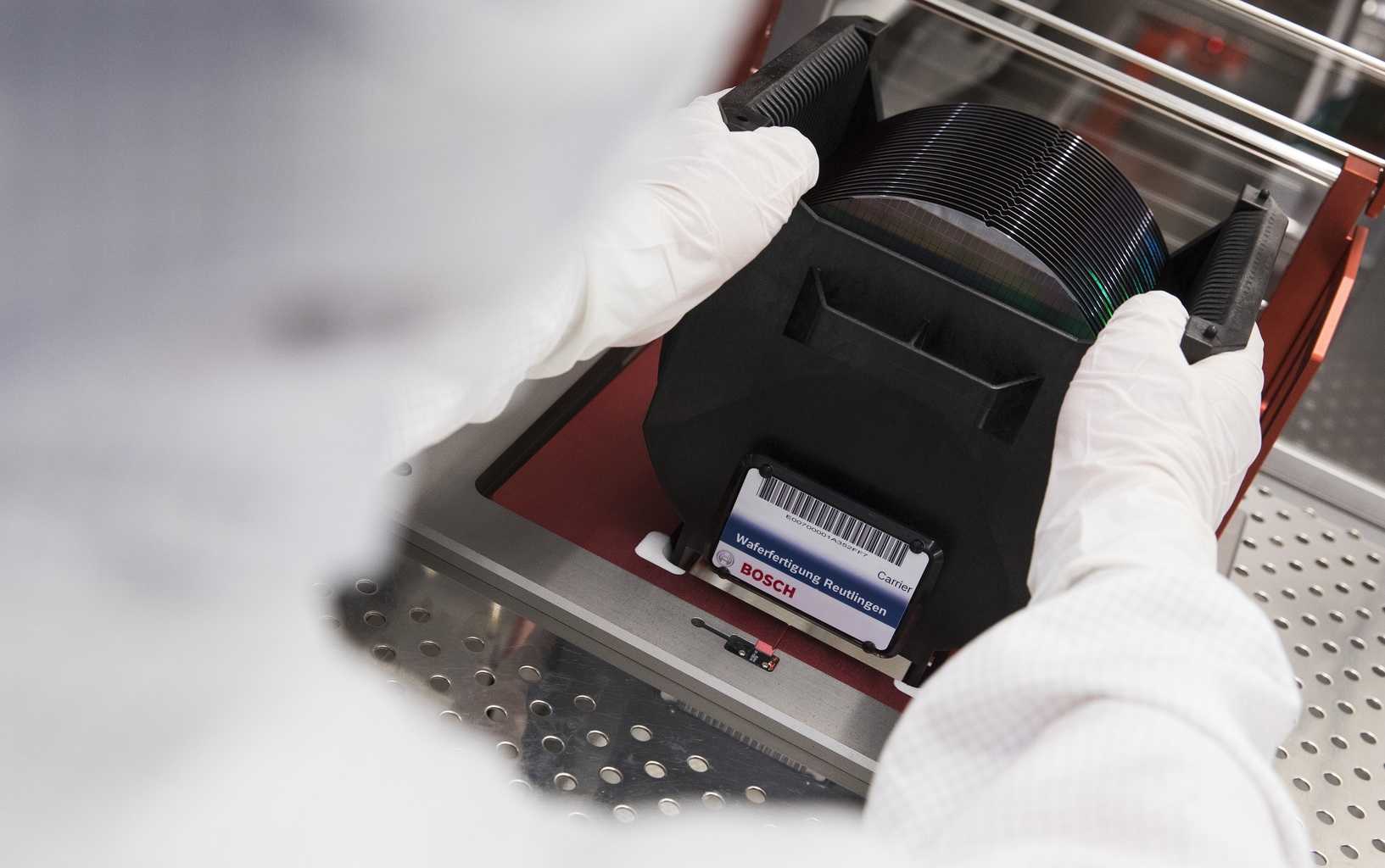
Semiconductor industry leaders foresee an improvement in business with the automotive sector next year. The lack of these products was one of the main hindrances to world vehicle production over the last two years. The automotive industry demand should be the main revenue growth pusher for chip manufacturers.
That’s what shows the 18th edition of the KPMG “Semiconductors Global Sector Outlook” report survey, conducted with the Global Semiconductor Alliance (GSA). The KPMG report provides perspectives from a survey of 151 semiconductor industry leaders and detected an expectation that these companies’ yearly sales may reach US$ 200 billion by the mid of the 2030s and overcome US$ 300 billion up to 2040.
For 81% of the interviewed, their company’s revenue will increase in 2023 – almost half estimate an increase of over 10% and 23% an even larger growth of about 20%. 64% of the executives expect business to increase next year.
Most of the executives believe the chip supply crisis is ending. For 65% of them, the shortage will reduce in 2023, and 15% say offer and demand already reached a balance for most products. Only 20% see the shortage persisting until 2024 or longer.
Since the semiconductor industry is cyclical, the survey asked when the next excess supply of semiconductors will occur. For 24%, there is already an excess, and for 31%, it will occur in 2023. 36% believe the surplus will happen between 2024 and 2026, while 9% think the demand will keep increasing and there will not be excess in the next four years.
Automotive applications are the most important for semiconductor companies, and wireless is the second most important market in the outlook for 2023. IoT, cloud computing and AI are the next in importance.
“Semiconductors are the most important components for the connected global economy and the contemporary world basis. The problems due to their shortage caused impacts worldwide. Even though, the good news is that this segment is still growing strong”, asserts Márcio Kanamaru, lead partner of Technology, Media and Telecommunication of KPMG in Brazil and South America.
The impact of the nationalization of semiconductor technology is the executives’ greater concern, as it has implications for supply chains, talent acquisition and access to governmental subsidies.
Complexo com pistas de testes para desenvolvimento de tecnologias e veículos começa a ser construído…
Modelo lançado em 2019 bateu recorde de licenciamentos no ano passado
Rodrigo Soares é vice-presidente e Fernando Alves, diretor financeiro
Nova tecnologia do modelo promete recompor até 97% da capacidade energética da bateria em 9…
São 20 vagas e os interessados devem se cadastrar no site da Fundação Iochpe até…