In September, the sector exported 27.4 thousand vehicles, the worst monthly result in three years
By George Guimarães |10/6/23 | Translated by Jorge Meditsch
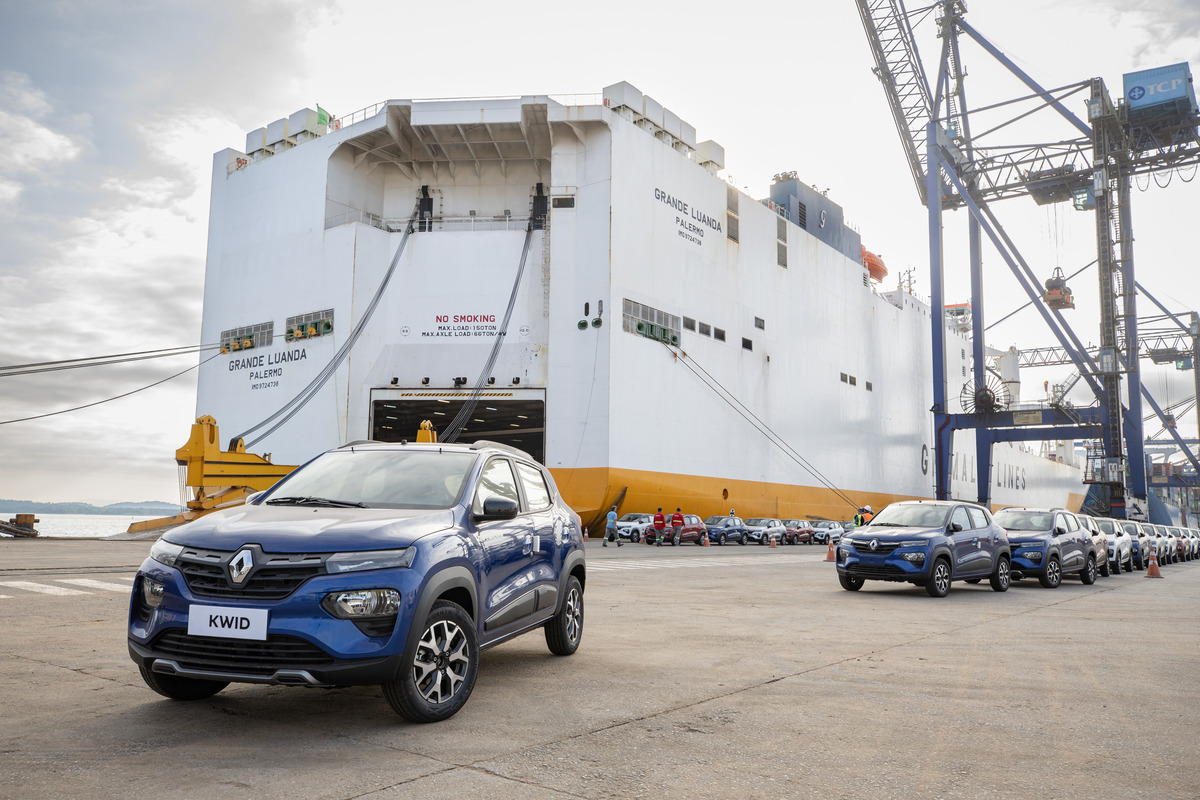
If the manufacturers’ executives should choose the sector’s “Achilles heel” in 2023, exports would be a strong candidate. This Friday, 10/6, Anfavea showed why after revising the shipments forecast for the year.
The manufacturers believe no more than 420 thousand Brazilian vehicles will be sold abroad in 2023. This is 12.7% less than last year’s 481 thousand units, a strong recovery from 2020 and 2021 results.
If the new estimate is confirmed, exports will be under 2019, the last year pre-pandemic. That year, the 433.5 thousand shipments marked a nearly 31% slump from 2018, when 629 thousand vehicles were sold to other markets.
The association wasn’t expecting a great export performance this year: in January, it estimated a 2.9% reduction to 467 thousand units.
Nonetheless, exports from January through September were a negative surprise. In the period, 322.9 thousand vehicles were sold abroad, 11.2% under last year. A solace was the US$ 8.5 billion revenue, 11.7% higher.
In September, no more than 27.4 thousand vehicles crossed the borders. It was the worst monthly result since September 2021, when the Covid-19 pandemic still harmed merchandise and people flow.
For Márcio Leite, Anfavea’s president, the main reason is the significant shrinkage of the destination markets. He pointed especially to Colombia and Chile, with 32% and 29% reductions year-to-date and Argentina, whose internal sales shrank by 16%.
“It’s a concerning situation for the sector. It’s the greatest challenge for Brazilian industry, which has been losing share in South America to other regions’ products”, he said.
Anfavea’s president defends structural changes to solve points restricting the Brazilian vehicles’ capacity to compete in other markets.
“We must increase bilateral deals, reduce commerce restrictions, eliminate quotas and reduce the ‘Brazil Cost’, a natural exports limiter. It is key to exempt exports fully. Currently, Brazil exports taxes.”
Leite also mentioned technical and regulatory differences that reduce Brazilian vehicles’ competitiveness in neighboring countries in safety, emissions or bureaucracy.
“Those are issues the Brazilian industry must deal with together with authorities if the country really aspires to be an automotive sector world player.”
Projeção indica aportes de US$ 7,4 bilhões até 2030 para instalar capacidade de montar mais…
Objetivo da Stellantis é promover a globalização da marca também em design e engenharia
Enxurrada de lançamentos pulveriza vendas de SUVs médios
Guilherme Lastro revela união das atividades do Brasil e Argentina com o México
Executivo é agora responsável pela recém-criada vice‑presidência de Crescimento do Negócio na América do Sul.
Parceria com Loga avalia modelo Constellation em operação de coleta de resíduos