With the arrival of the Bio-Hybrid models in 2024, the number of suppliers will be expanded from 38 to 50
By Redação AutoIndústria 10/17/23 | Translated by Jorge Meditsch
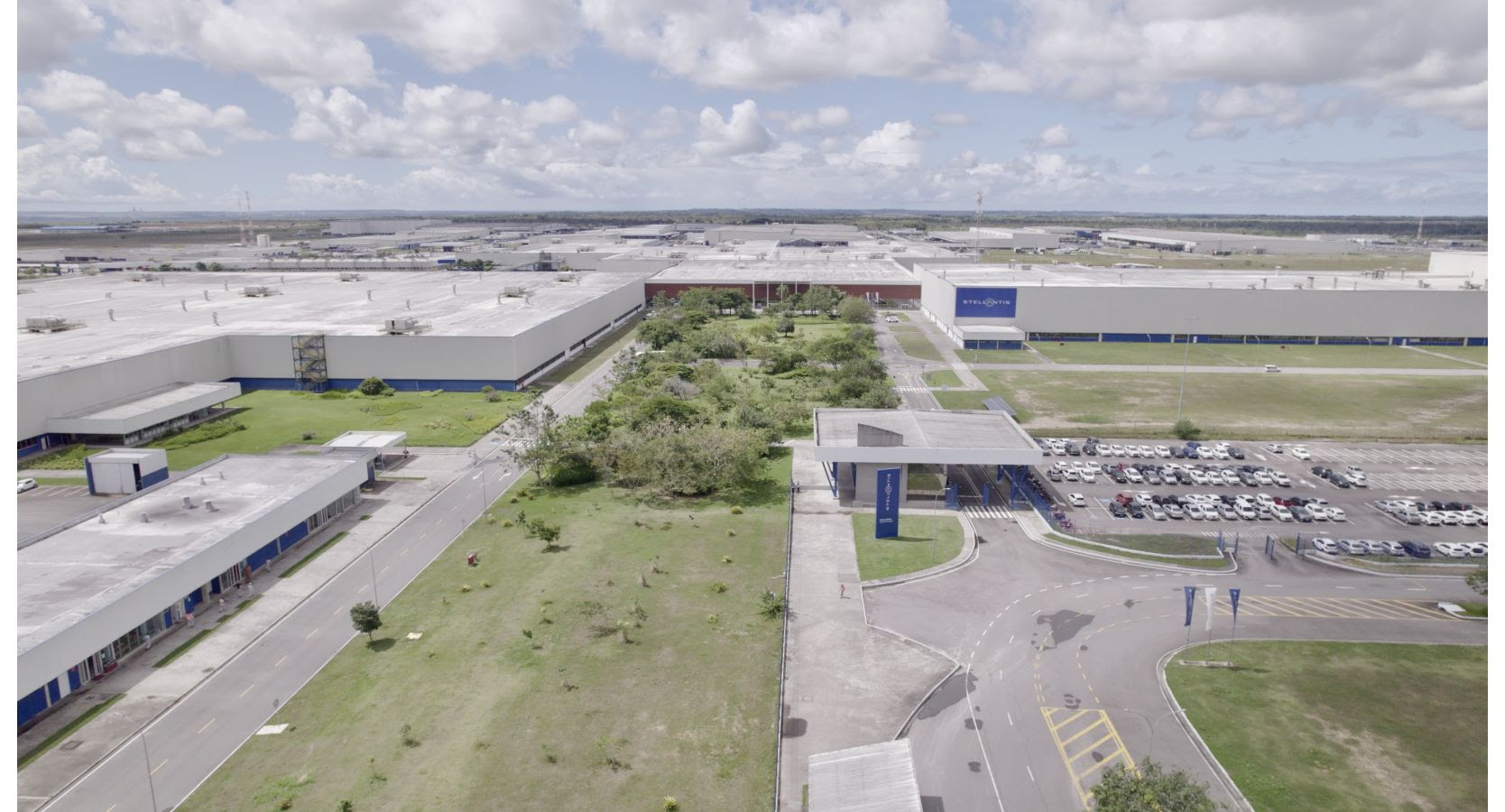
Stellantis’ Goiana Automotive Pole, in Pernambuco, where the Jeep models and the Fiat Toro are produced, was chosen to manufacture the first Bio-Hybrid models – flex-fuel hybrids and 100% electric cars.
Fully developed in Brazil, the new vehicles will be available next year and will cause the expansion of the supplier park around the plant from 38 to 50 companies, according to a Stellantis announcement released this Tuesday, 10/17.
At the same time, the manufacturer informed that its two other industrial facilities in the country, in Betim, MG, and Porto Real, RJ, will also produce electrified models.
“Our decarbonization technologies prioritize Brazil’s characteristics and resources, such as ethanol and clean electric energy, therefore representing an effort to nationalize the production”, said Antonio Filosa, Stellantis’s president for South America, who would soon leave the position to become Jeep’s world CEO.
The executive emphasizes that the company’s priority is decarbonizing mobility: “We want to make it affordable to most consumers, developing technologies and components in Brazil”.
The number of suppliers around Goiana’s Pole will grow from 38 to 50 in the short term and should double over time. “The idea is to reach 100 suppliers in Pernambuco developing and producing components and solutions for hybrid and electric drive and decarbonizing mobility”, said the company.
Stellantis recalled in the announcement that the Bio-Hybrid and BEV (Battery Electric Vehicle) platforms are part of the global mobility decarbonization strategy included in the Dare Forward 2030 strategic plan, which foresees a total decarbonization of the company’s operations and products by 2038 and a 50% reduction of CO2 emissions already in 2030.
Reindustrialization
The Bio-Hybrid and BEV were developed by the company’s South American Tech Center with the participation of suppliers, researchers and other partners that constitute the innovation ecosystem maintained by the Stellantis.
According to Filosa, these new technologies should strengthen Brazilian engineering and national industry.
“It is an opportunity for reindustrialization and reconfiguration of the national autoparts industry, which is diversified, complex and very important for the Brazilian economy”, he said.
According to the executive, Brazil’s regional leadership opens perspectives for exports to all Latin America: “The decision to invest in new technologies localization takes into account the stability and previsibility horizon due to legal marks, such as the tax reform approval”.
Complexo com pistas de testes para desenvolvimento de tecnologias e veículos começa a ser construído…
Modelo lançado em 2019 bateu recorde de licenciamentos no ano passado
Rodrigo Soares é vice-presidente e Fernando Alves, diretor financeiro
Nova tecnologia do modelo promete recompor até 97% da capacidade energética da bateria em 9…
São 20 vagas e os interessados devem se cadastrar no site da Fundação Iochpe até…