Project includes even nationalization of the battery, hybrid cars, Stellantis
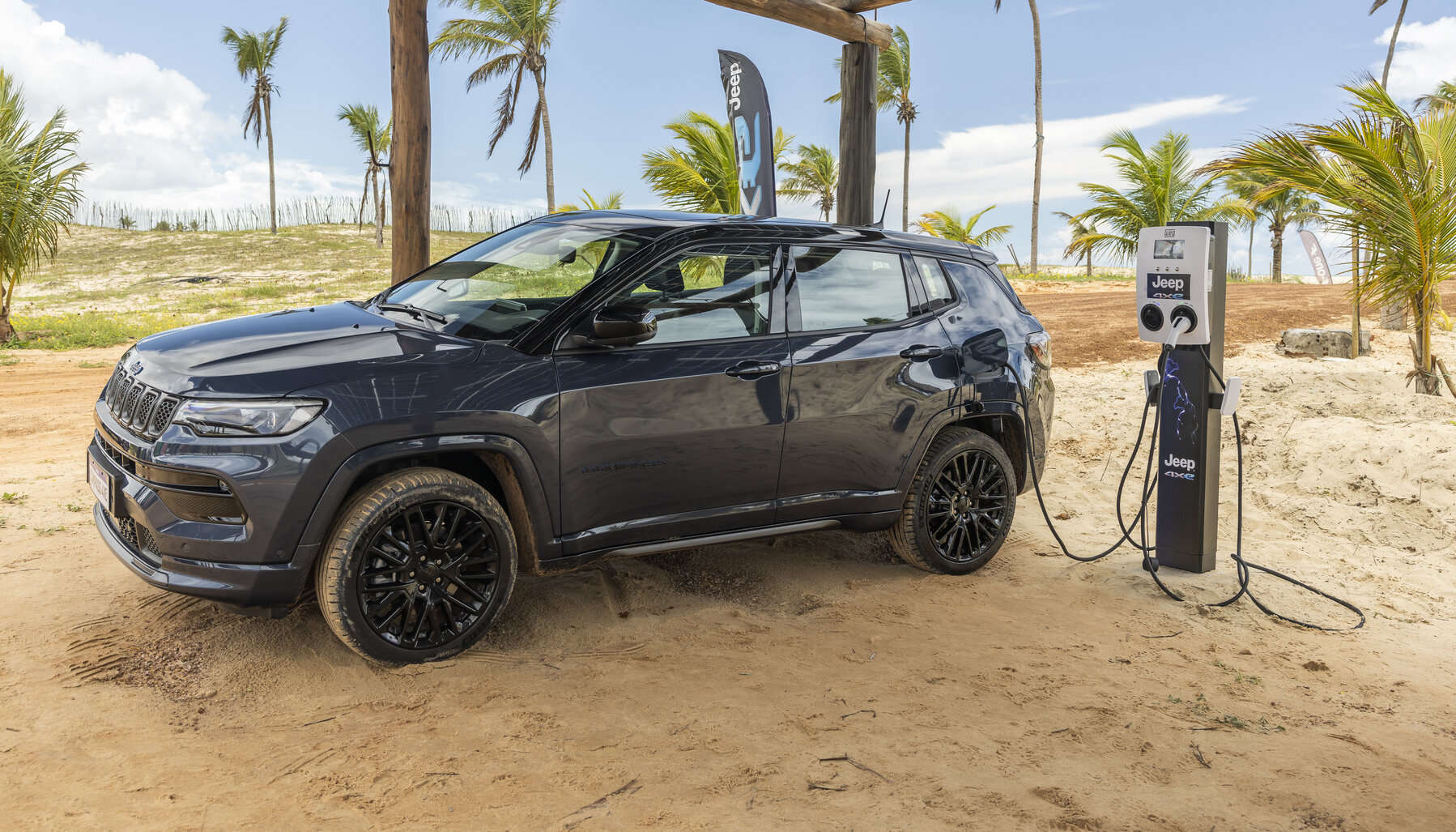
With a share of one-third of the light vehicle sales in Brazil, Stellantis stands firm with its project to have flex-fuel hybrid models in Brazil. João Irineu, Stellantis’ director of Product Compliance for South America, confirmed the intensification of contacts with suppliers searching for partners to develop components in the country, including batteries.
The executive did meet this Wednesday, 8/24, with a small group of journalists to talk about decarbonization. At the meeting, he emphasized the importance of ethanol in this context, indicating the flex-fuel hybrid as the best transition toward full-electric vehicles. “The concept of the project has been already finished. We are now putting it into practice”.
He did not want to inform a date for launches or possible models but made it clear that the flexible hybrid is part of the short-term plans. The idea is to have models with 48 V and 12 V batteries. “We want to produce here, with as much nationalization as possible. There are about 600 auto parts suppliers in Brazil, and only with the local production of components we will avoid the country’s deindustrialization, ” asserted the executive.
Irineu remembered that Stellantis looks to have 20% of its lineup electrified up to 2030 with 100% electric and hybrid vehicles, an objective valid also for Brazil. Currently, 70% of light vehicles consume gasoline, and just 30% use ethanol. “In a gradual process, these indexes must be inverted”, he commented.
The Product Compliance director also insisted on the need for public policies to reduce CO2 emissions in all segments, including agribusiness: “The manufacturers, following programs such as Inovar Auto and Rota 2030, have energy efficiency goals to meet and pay extremely high fines if not comply with them. There is a lack of policies as such in other sectors”.
Citing a study by Anfavea, Irineu remembered that transportation in Brazil is responsible for only 13% of the CO2 emissions, positioning the country in a privileged situation over the rest of the world. “There is even a hint of envy from some other countries”, said the executive.
He remembered that in his initial talk with Stellantis CEO Carlos Tavares about the best ways for decarbonization in Brazil, he needed to explain three times the benefits of ethanol for the environment.
Since then, the Brazilian operations got total support from the headquarters regarding the flex-fuel hybrid, a technology that shall be applied not only here but also in other developing countries, such as India.
Picape híbrida teve somente 1,8 mil unidades licenciadas em quase dois anos
O presidente da entidade prevề cerca de 10 mil visitantes entre os dias 17 e…
Primeiro SUV da plataforma Neue Klasse chega por aqui com autonomia de 570 km ao…
Algumas empresas conseguirão ampliar seus volumes, enquanto outras perderão espaço mesmo em um mercado maior…
Foram financiadas 3,78 milhões de unidades novas e usadas no primeiro semestre, 10,9% a mais…
Executivo responderá mundialmente pelo cumprimento de metas do grupo