Sales reduction began mid-last decade, with the SUVs' arrival
By George Guimarães | Translated Jorge Meditsch
The Brazilian automotive market is going through a strong sales concentration process in a few categories, a trend that drastically reduced model diversity at dealerships. Of the 13 categories listed by Fenabrave, the Brazilian dealers association, six correspond to 98.1% of vehicles registered in 2022 and attract manufacturers’ investments in new products.
Thus, the other seven segments detain marginal shares. Together, they summed up just 1.9% of the sales from January through August. It means nearly 18 thousand of almost one million vehicles sold in the period. One decade ago, these same segments used to represent 9% to 10% of the business.
The offer shrinkage is brutal and gained speed, especially after 2015, when the SUVs began to attract consumers’ attention. Since then, their offer range has exploded with national and imported models. Letting aside Jeep, which produces only SUVs, some brands already depend almost exclusively on the segment.
Some categories are still being listed by mere formality. It is the case of station wagons, which had 31 – thirty-one! – – registers among medium and large units.Also marching toward total extinction is the mono cab, with 545 units sold in eight months and medium hatches, with a total of 1.6 thousand registers in the period.
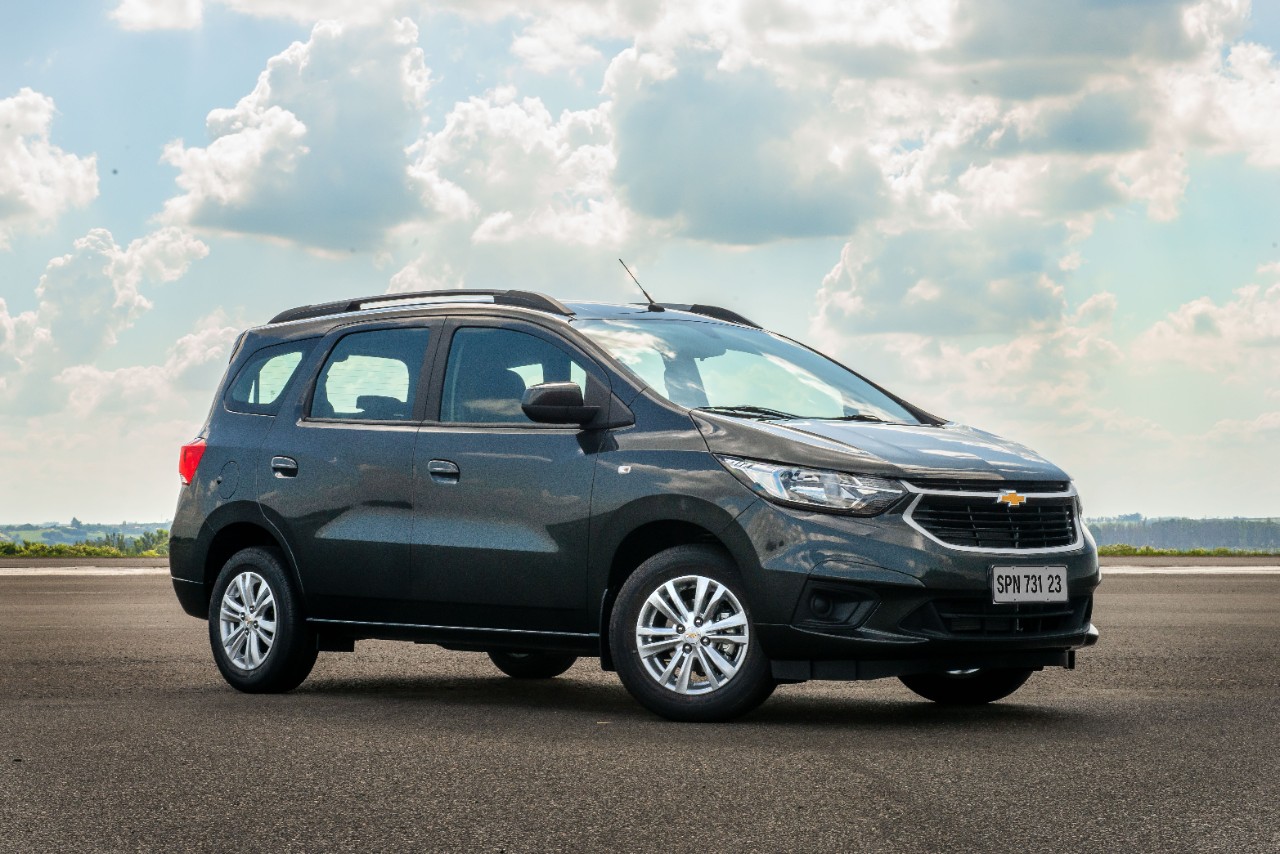
More than half of the 1.9% share classified as “other” – precisely 1.2% – correspond to grand cabs. Or just one vehicle: the Chevrolet Spin, with 9.7 thousand units sold, 97% of the category that includes other three models.
Even with station wagons becoming showroom rarities, when you find any for demonstration, the segment that lost more relevance in sales over the last decade was medium hatches.
In 2012, models such as Fiat Punto, Ford Focus, Chevrolet Cruze and Volkswagen Golf were 5.3% of the internal market, a share that shrunk to half in 2015 and, this year, is just 0,17%.
The only national model currently found in the dealerships is the Chevrolet Cruze, which had fewer than one thousand registers, 63% of the total registered in the segment over the first eight months in 2022. In comparison, the VW T-Cross, the leader of the SUVs, sold 42.6 thousand in the same period, an average of over 5.3 thousand monthly registers.
The 2022 segment ranking shows the SUVs with 44.5% of the registers, more than double the small hatches’ share, 21.4%, and four times more than entry models (12.8%), the segment that led the Brazilian market for two decades. Small, compact and medium sedans add to 19.4% of the sales.
CEO da administradora revela expansão de 59% em créditos comercializados, com total de R$ 4,9…
Picape híbrida teve somente 1,8 mil unidades licenciadas em quase dois anos
O presidente da entidade prevề cerca de 10 mil visitantes entre os dias 17 e…
Primeiro SUV da plataforma Neue Klasse chega por aqui com autonomia de 570 km ao…
Algumas empresas conseguirão ampliar seus volumes, enquanto outras perderão espaço mesmo em um mercado maior…
Foram financiadas 3,78 milhões de unidades novas e usadas no primeiro semestre, 10,9% a mais…