In 2015, 70% of the brand's models were popular. This year, 60% are SUVs and pickups.
By Alzira Rodrigues | Translated by Jorge Meditsch
After recovering the Brazilian market lead last year, Fiat is keeping the first place this year with a great advantage regarding the 15 years when it occupied this position, beginning in 2001. Since then, its product mix has changed significantly, and the brand now depends much less on popular cars, which grants a much tight profit margin.
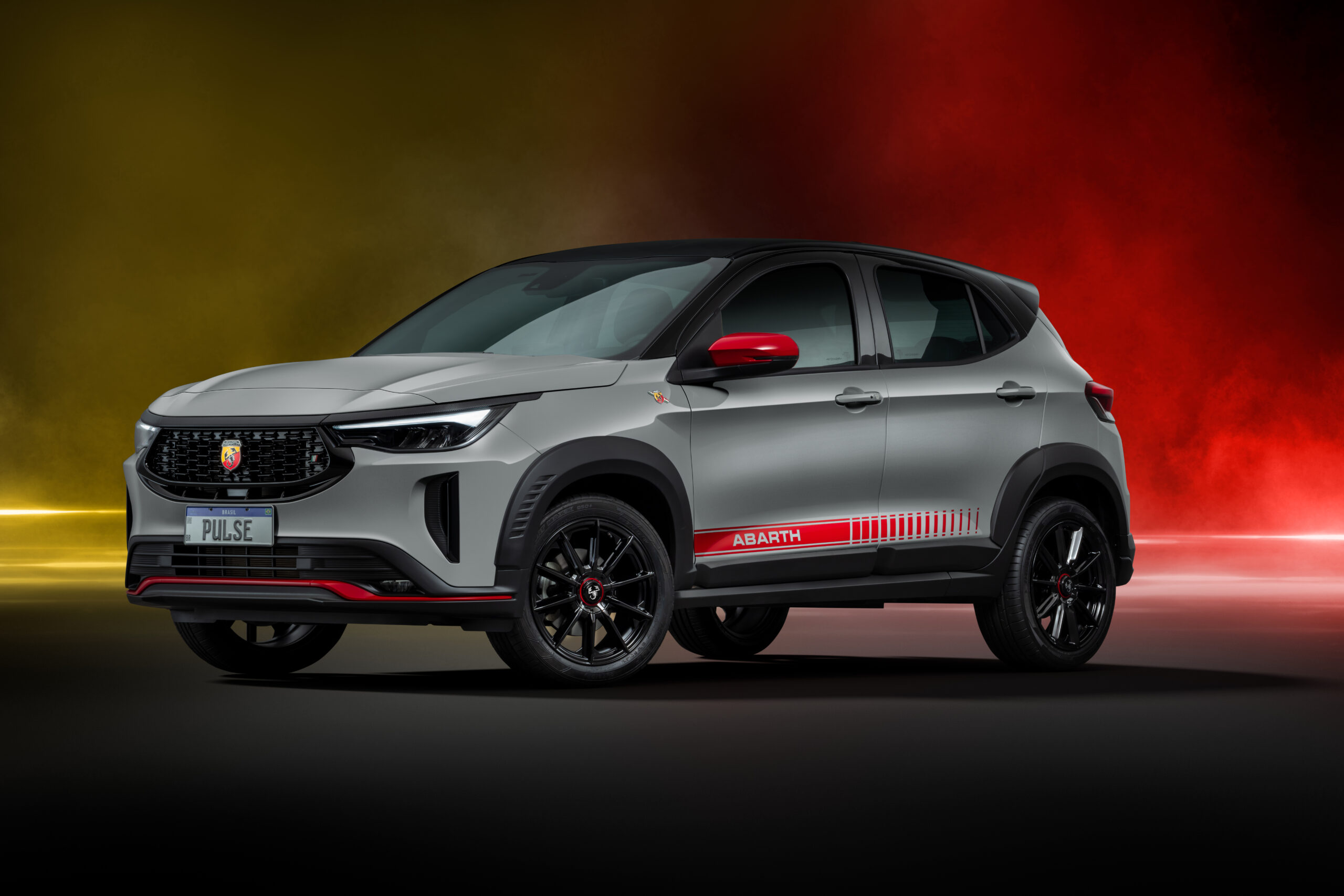
Keeping the lead with profit is the strategy that orients the company today, according to what Herlander Zola, Fiat’s senior vice-president for South America, asserted during the press presentation of the Pulse Abarth last Thursday, 11/10.
The model arrives on the market at the end of the year to strengthen Fiat’s presence among the vehicles with higher aggregated value and will be officially launched Thursday night.
“In 2015, we had 17.7% of the market, with 70% of our lineup concentrated in popular models (hatches and sedans). Now, in 2022, we achieved a 21.9% share with non-popular vehicles – SUVs and pickups – corresponding to 60% of our business”, tells Zola.
Herlander Zola
According to the executive, the work to strengthen the presence in the market’s upper range “is just beginning”. The idea is not to abandon the most affordable products, which marked the brand’s history in Brazil and the world but to look for a balance ensuring a profitable operation with a volume compatible with the market lead.
During the Pulse Abarth presentation, Zola even talked about more than a decade of leadership in Brazil. Afterward, he explained that what matters is not how many years the company will keep the first position but the quality of its local operations while doing it.
Fiat was one of the last brands operating in the country to invest in the SUV segment, the fast-growing in the country and worldwide.
Nonetheless, the Pulse arrived strongly and attracted a new kind of customer for the brand, as well as the Fastback SUV-coupé and the Toro pickup, the pioneering model of the company’s new phase in Brazil.
Everything indicates that its next launches will be concentrated in top-of-the-pyramid models, exactly those capable of ensuring adequate profitability.
The lower difficulty in the production lines, with a better flow of semiconductors supply than the local competitors, is seen by Zola as an important factor for the brand’s leadership in the Brazilian market.
According to him, Stellantis knew how to manage the lack of components since last year, keeping the production pace of most of its models.
Picape híbrida teve somente 1,8 mil unidades licenciadas em quase dois anos
O presidente da entidade prevề cerca de 10 mil visitantes entre os dias 17 e…
Primeiro SUV da plataforma Neue Klasse chega por aqui com autonomia de 570 km ao…
Algumas empresas conseguirão ampliar seus volumes, enquanto outras perderão espaço mesmo em um mercado maior…
Foram financiadas 3,78 milhões de unidades novas e usadas no primeiro semestre, 10,9% a mais…
Executivo responderá mundialmente pelo cumprimento de metas do grupo