With a new building, the floor area grows by 50% to 15 thousand square meters. The production should increase by 25% up to 2025
By Redação AutoIndústria | 3/28/23 | Translated by Jorge Meditsch
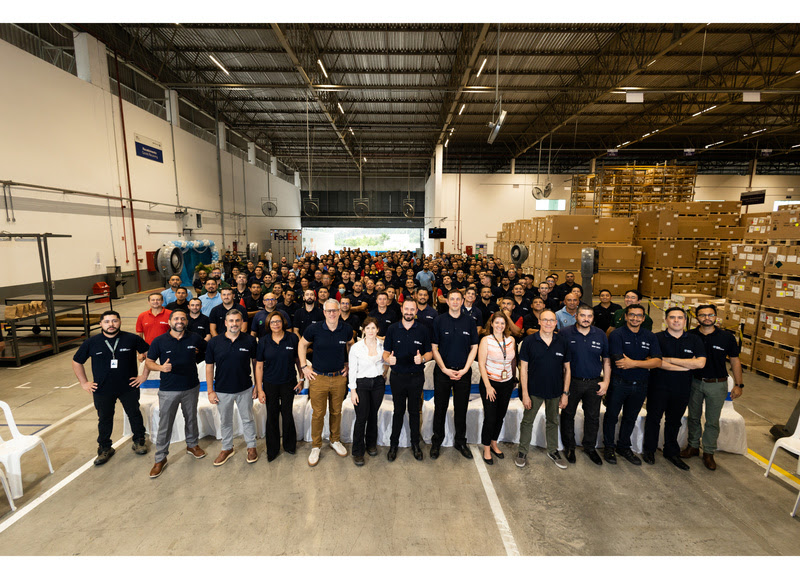
The BMW Group inaugurated a new building in its plant in Manaus, AM, aiming to increase production and logistic efficiency. The expansion is part of a R$ 50 million investment up to 2025. The floor area was expanded by 50% to 15 thousand square meters.
The BMW Motorrad investment should result in seven launches until 2025, when the plant’s capacity will reach 19 thousand units per year, 25% more than the current 15 thousand. The workforce shall grow by 20% in the period.
The first of the seven new motorcycles programmed for the Brazilian market to reach the dealers was the F 900 R.
Since its inauguration in 2016, the Manaus plant has already received R$ 175 million in investments.
“The inauguration of the new building is a great mark for BMW Motorrad Brasil because it will allow us to centralize all motorcycle distribution to all country’s dealerships in Manaus. Therefore, we will have significant gains in inventory availability, costs and environmental impact”, said Alex Donatti, director of the Manaus plant.
Julian Mallea, the company’s CEO in Brazil, talked about the importance of local production considering the Brazilian market’s growing demand for premium motorcycles.
“In 2022, we broke our record in the country with more than 13 thousand motorcycles sold. We are sure that with the production increase and more logistic efficiency, we will increase our share in the segments we operate in.
Ninety-nine percent of the motorcycles sold by BMW in Brazil are made in Manaus.
Executivo responderá mundialmente pelo cumprimento de metas do grupo
Modelo chega ao preço promocional de R$ 339.900
Joint venture visa maior ocupação da fábrica de Valência, na Espanha, redução de custos e…
Primeiro abastecimento com hidrogênio verde no Senai Cimatec abre fase comercial da tecnologia no País
Projeto na Europa é passo importante para a reciclagem em alta escala
Fabricante dobrou o volume da primeira fase do programa e financiou 2.370 veículos entre caminhões,…