The additional value for an automobile would be two thousand euros
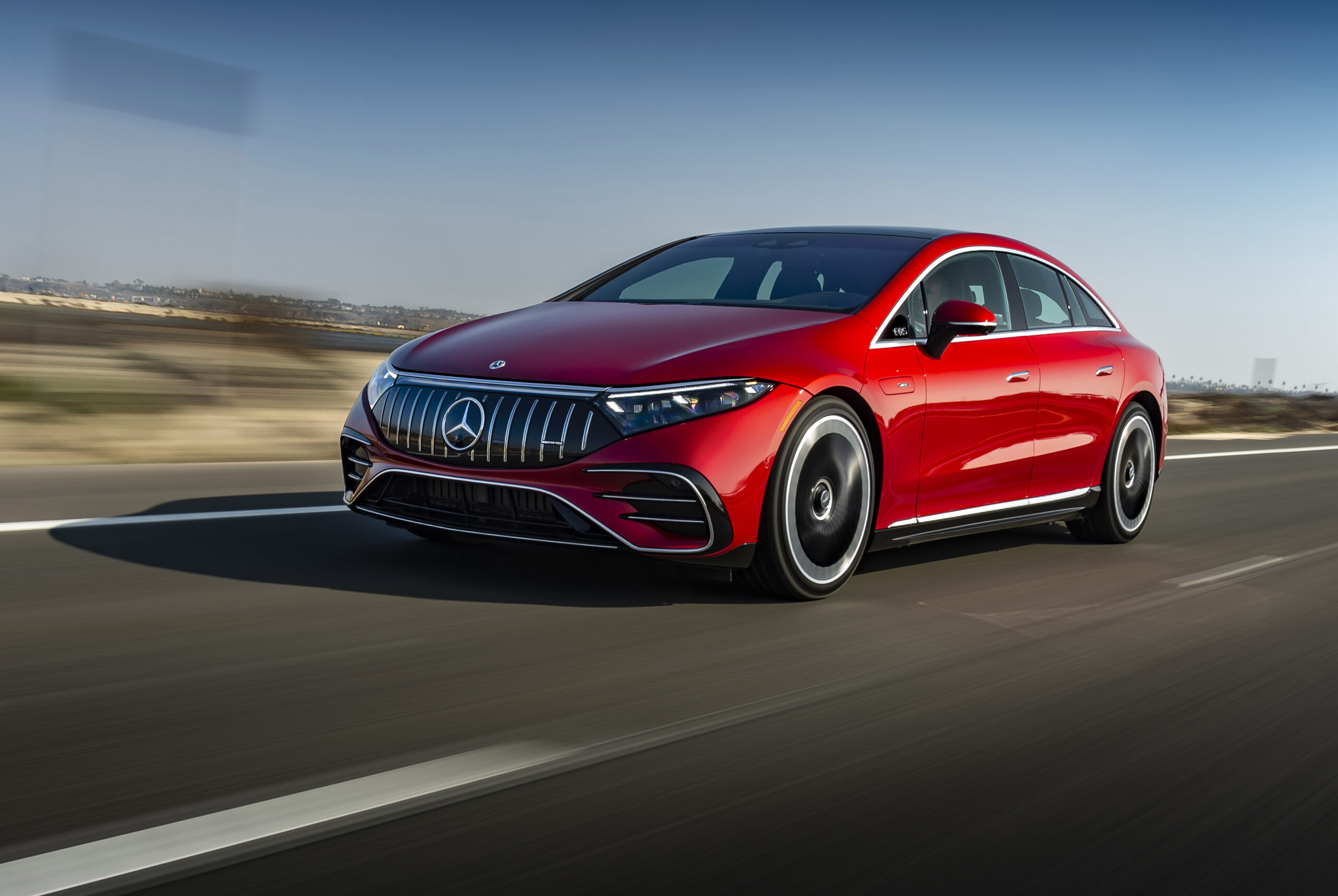
Mercedes-AMG EQS 53 4MATIC+ (Stromverbrauch kombiniert WLTP: 23,4-21,1 kWh/100 km; CO2-Emissionen kombiniert WLTP: 0 g/km; elektrische Reichweite WLTP: 529-586 km); Exterieur: Hyazinthrot Metallic; Interieur: Leder Nappa schwarz/spacegrau;Stromverbrauch kombiniert WLTP: 23,4-21,1 kWh/100 km; CO2-Emissionen kombiniert WLTP: 0 g/km; elektrische Reichweite WLTP: 529-586 km* Mercedes-AMG EQS 53 4MATIC+ (combined electrical consumption (WLTP: 23,4-21,1 kWh/100 km; CO2 emissions: 0 g/km, range 529-586 km); exterior: hyazinth red metallic; interior: Leather Nappa black/space grau;Combined WLTP power consumption: 23.4-21.1 kWh/100 km; CO2 emissions combined, WLTP: 0 g/km; electric range, WLTP: 529-586 km*
By Redação AutoIndústria | 5/23/23 | Translated by Jorge Meditsch
Car manufacturers keep moving a strong campaign against the Euro 7 regulations, which aims to reduce the emissions from combustion vehicles in Europe even more. They are scheduled to go into effect in 2025 for automobiles and light commercial vehicles and 2027 for trucks and buses.
This Tuesday, 5/23, Acea, the organization that represents the European vehicle manufacturers, released a study from Frontier Economics consultancy asserting that the new rules will cause direct production costs to raise from four to 10 times than previewed by the European Commission.
According to the study “Euro 7 Regulation Costs”, the additional costs to manufacture a car or a van to meet the new legislation would be close to two thousand euros. For diesel trucks and buses, the additional would be about 12 thousand euros.
The European Commission estimates calculate an impact from 180 to 450 euros for automobiles and pickups and 2.8 thousand euros for heavy cargo and passenger vehicles.
Acea says the calculations only include direct manufacturing costs, especially equipment and investments. “It is important to note that these additional costs do not correspond to the purchase price for final users […] that would be probably higher”, asserted the association in a note.
The manufacturers also say that, besides direct costs, the Euro 7 would generate indirect costs as more fuel consumption. “Over a vehicle’s lifespan, it can increase fuel costs by 3.5% – totaling 20 thousand euros for long-haul trucks and 650 euros for cars and vans.”
With the current Euro 6 rules, recall the manufacturers, the European Union already has the world’s most comprehensive and rigorous pollutant emission standards.
“The European automotive industry is committed to reducing emissions even more to benefit the climate, environment and health. Nonetheless, the Euro 7 proposal simply is not the right way to do so, as it would have an extremely low environmental impact at an extremely high cost”, said Sigrid de Vries, Acea’s general director.
The executive argues that more environmental and health gains will be achieved with the transition to electrics and replacing the older vehicles with models that meet the current Euro 6 parameters.
Entidade diz que não foi ouvida sobre o assunto, apesar do ofício encaminhado ao presidente…
Local da realização do The One, premiação de parceiros, foi bastante simbólico: a Ilha Fiscal,…
Vencedores são avaliados em diversos critérios e categorias
aniela Dias Teixeira é a nova diretora de Assuntos Governamentais para a América Latina da…
Os componentes do sistema híbrido virão de lá e haverá desenvolvimento conjunto de novos modelos,…
Texto também encaminhado ao presidente Lula foi emitido após BYD defender mudanças no cronograma das…