Anfavea insists on the need to review Import Tax exemption policy
By Alzira Rodrigues | 9/6/23 | Translated by Jorge Meditsch
Electrified vehicle sales in the country overcame at the beginning of September the total registered last year. The information came from Anfavea’s president, Márcio de Lima Leite, who emphasized that 60% of electric and hybrid models sold this year are Chinese.
From January through August, 49.1 thousand electrified vehicles were registered in Brazil, while the total sold in 2022 was 49.2 thousand. “More than 30 thousand of the electrified vehicles sold in the first eight months came from China”, said the executive.
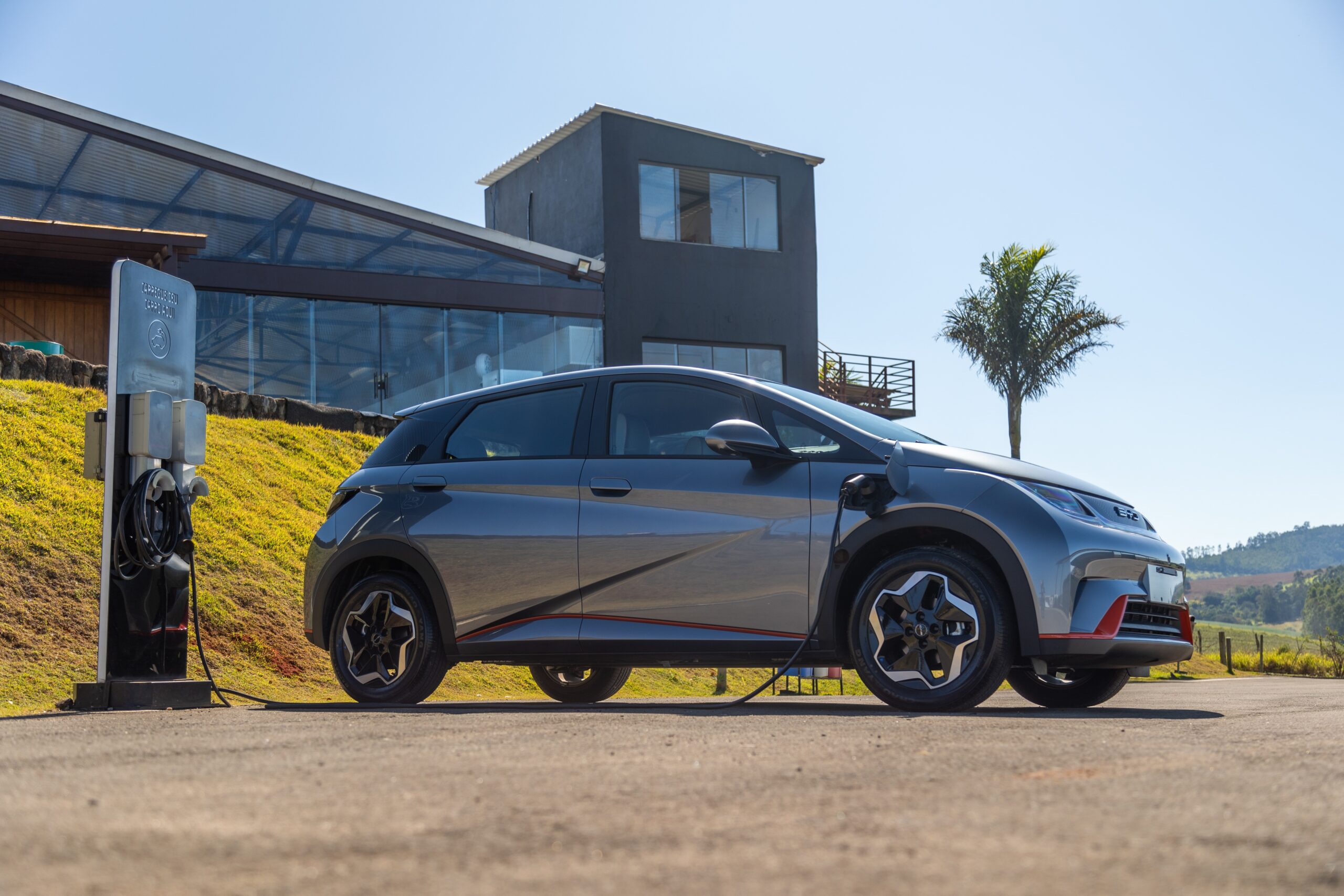
Hybrids lead the segment by far, with 43.2 thousand deliveries until August, versus just 5.9 thousand battery electric vehicles. Nonetheless, models more affordable than those available in the first semester are arriving in the country, such as the BYD Dolphin and the GWM Ora 03.
Anfavea defends the return of the previous 35% Import Tax on electric and hybrid vehicles. “Our industry needs previsibility. If there is no signal that the zero-tax policy would end sometime, there is no reason for manufacturers to invest in local production, as Chinese competitiveness is higher”.
Currently, hybrids are produced in the country by Toyota and Caoa Chery. Stellantis said it would have local hybrids from next year. Volkswagen also develops a flex-fuel for the Brazilian market. The Chinese BYD will produce hybrid vehicles in the former Ford facilities in Camaçari, BA.
At the press conference to release August figures, Lima Leite talked about the Chinese participation in Latin America and the risk they pose to the Brazilian market.
Brazilian vehicle exports, which usually go mainly to the region countries, are falling this year. 292.1 thousand vehicles were shipped, 12.8% less than the 335 thousand sold abroad from January through August 2022.
In August, there was a 13.8% increase over July with 34.5 thousand shipments, “but so far this year’s numbers send an alert about the lack of Brazilian vehicles’ competitiveness compared to Chinese”, commented Anfavea’s president.
“Until 2021, Brazil was the major exporter to the neighboring countries. Last year, China took the lead with a 21,2% share, versus 19.4% from Brazil. We must increase our competitiveness urgently to export, otherwise we will lose even more terrain in our main destinations, not only to China but also to other Asian emergent countries like India, Thailand and Indonesia”, said Leite.
Programa incluído no centro de treinamento da marca é mais uma iniciativa do Movimento A…
Equipamentos se deslocam até os veículos, acionados por aplicativos nos celulares
Evento acontece em São Paulo em 16 de abril, reunindo especialistas e fabricantes do setor…
Objetivo é ampliar a precisão e a eficiência dos testes dinâmicos e funcionais após o…
Montadora, entretanto, não informa prazos para os embarques e terá que cumprir índices mínimos de…
Marca incorpora na oferta sete opções de veículos comerciais dentre furgões e caminhão leve